
PTSD Is Not Just Your Burden
For years following my last combat deployment, I used my PTSD diagnosis as an excuse.
An excuse to drink too much. An excuse to treat people like crap. An excuse to be angry all the time.
I was proud to have served my country. And, in a nihilistic kind of way, I think I was even proud of having experienced enough during that service to develop PTSD.
At first, though, there was disbelief.
Compared to what other service members had experienced, my own combat experiences seemed almost paltry. What right did I have to that diagnosis? There were people who had seen worse. Lost more. Carried wounds far more visible than mine.
But eventually I accepted something else: suffering isn't a competition. I had experienced things in combat, in a foreign country, that very few people in our nation will ever be asked to experience. Those experiences changed me.
I came to believe I had earned those stripes as much as anyone else.
And then I wore them like armor.
You don't like my attitude? Fine. Your problem.
You think I drink too much? Screw you. You don't know what I'm dealing with.
You think I'm angry? You weren't there.
That attitude continued for years.
And I hurt people.
That's one of the harder truths I've had to accept about PTSD: it isn't just your burden.
As difficult as it can be for veterans with PTSD to return to something resembling a normal life, the people around us suffer in a completely different way.
Many of them didn't serve alongside us.
They weren't in the military.
They didn't go to war.
They didn't sign up for any of that.
They signed up for us.
And then we came home different.
Think about that from their perspective.
Someone they love leaves one day. Months later, that person comes home looking mostly the same. Same face. Same voice. Same name.
But something inside has changed.
Sometimes profoundly.
The person waiting at home doesn't necessarily understand hypervigilance, survivor's guilt, moral injury, emotional numbness, or why a perfectly ordinary sound can suddenly change the entire atmosphere in a room.
They just know the person they love came home.
But somehow, part of them didn't.
It took me a long time to understand that.
Brick by brick, I built a wall around myself and refused to let anyone in.
The problem with building walls around yourself is that eventually you realize you're trapped inside them too.
I fought constantly with myself over the things I had done on deployment.
And the things I hadn't done.
Sometimes the latter was heavier than the former.
My body had left the battlefield, but my head and my heart were still there. I was never completely present with anyone after I came home. It always felt like I had left something behind—some unfinished business I couldn't name and couldn't resolve.
I became a stranger to people who had known me before.
And the more distant I felt from everyone else, the angrier I became.
So I looked for ways to quiet the noise.
Sometimes that meant alcohol.
Sometimes it meant shutting people out.
Sometimes it meant anger.
And far too often, it meant hurting the people who cared about me the most.
Here's the uncomfortable part.
PTSD explains a lot of that.
It doesn't excuse it.
That distinction took me years to understand.
I didn't choose what happened to me. I didn't choose every way those experiences changed my brain, my instincts, or the way I responded to the world when I came home.
But eventually, healing became my responsibility.
Because the people who loved me shouldn't have had to keep paying the bill for a war they never went to.
I can't undo the damage I've done.
There are apologies that don't erase what happened. There are relationships that can't simply be reset. There are moments I would give almost anything to go back and handle differently.
But regret doesn't come with a time machine.
So I have a choice.
I can spend the rest of my life staring backward, punishing myself for the man I was.
Or I can take responsibility for that man and choose who I become next.
For me, that means accepting grace.
Not cheap grace. Not pretending the past didn't happen. Not using faith as another way to avoid accountability.
Grace that allows me to acknowledge exactly what I've done, ask forgiveness where I can, make amends where possible, and then keep moving forward.
I believe in the perfect forgiveness of God.
And if God offers redemption, who am I to insist that my failures are somehow greater than His grace?
So now I try to live differently.
I try to be present.
I try to listen before becoming defensive.
I try to recognize when the old walls are going back up.
I try to remember that the people closest to me aren't the enemy.
And when I fail—and I still do—I try to own it instead of reaching for the armor again.
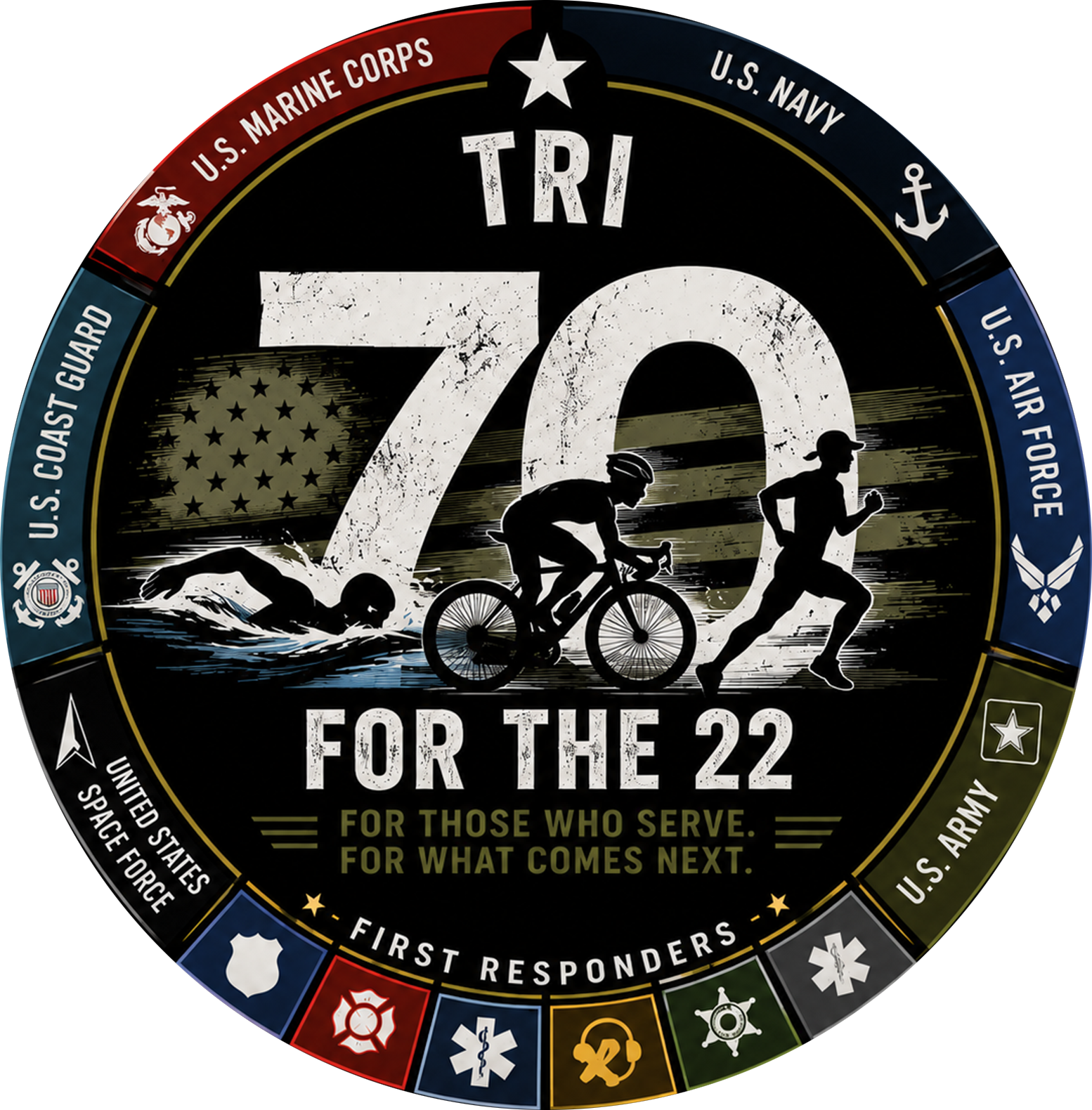
That's part of what For the 22 means to me.
When we talk about veteran suicide, mental health, PTSD, or healing, we naturally focus on the veteran.
We should.
But there is another group carrying part of that weight every single day.
The spouses.
The children.
The parents.
The friends.
The people who answer the phone.
The people who learn our triggers.
The people who sit beside us during the bad nights.
The people who absorb anger they didn't cause and try to understand pain they never witnessed.
The people who keep loving us while we're figuring out how to love ourselves again.
They matter too.
Healing isn't just about keeping a veteran alive.
It's about helping that veteran actually live again.
To become a husband or wife who is present.
A father or mother who is engaged.
A friend who lets people in.
A person capable of experiencing joy without waiting for something terrible to happen next.
A person who understands that surviving the battlefield was only part of the journey.
Because PTSD may be part of my story.
But it doesn't get to write the ending.
And neither does my past.
That belongs to God.
My responsibility is simply to keep taking the next step.
Related Stories
Comments
Leave a Comment